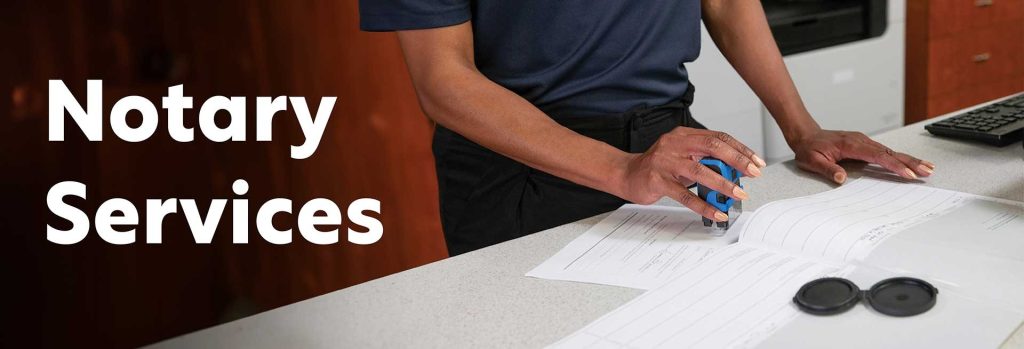

Managing paperwork in care facilities can be a daunting and time-consuming task, especially when dealing with sensitive documents that require notarization. Ensuring that all legal forms, consent agreements, and medical records are properly signed and authenticated is critical for compliance and the well-being of residents. Fortunately, partnering with mobile notary professionals offers a practical solution to streamline this process, allowing care facilities to organize their paperwork efficiently while providing convenient appointment options for all parties involved.
Mobile notary services bring the notary public directly to the care facility, eliminating the need to transport residents or staff to an external location. This approach is particularly beneficial in settings where patients may have limited mobility or where time constraints make scheduling appointments challenging. By coordinating with mobile notaries, care facilities can schedule convenient appointments that fit seamlessly into their daily operations, reducing delays in document processing and enhancing overall workflow.
One of the primary advantages of using mobile notary professionals is their flexibility. They can accommodate various types of notarizations, including power of attorney documents, advance directives, medical consent forms, and other essential paperwork. This means that care facility administrators, patients, and family members can complete all necessary legal formalities without disrupting the care environment. Mobile notaries are trained to handle confidential information with discretion, ensuring that privacy and compliance standards are maintained throughout the process.
Moreover, the convenience of mobile notary appointments helps reduce stress for residents and their families. Instead of juggling multiple trips to a notary office, individuals can have documents notarized in the comfort of the care facility or even at the mobile notary near me patient’s bedside if needed. This level of service is invaluable for elderly or disabled residents who may face difficulties traveling. Families can also participate in the notarization process remotely or in person, depending on the facility’s policies and the mobile notary’s capabilities.
Care facilities that integrate mobile notary services into their administrative procedures often experience improved record-keeping and faster turnaround times for critical documentation. This enhanced efficiency supports compliance with legal requirements and reduces the risk of errors or missing signatures. In addition, mobile notaries typically provide detailed records of their services, which can be useful for audits and verifying the authenticity of executed documents.
In summary, organizing care facility paperwork with the assistance of mobile notary professionals offers a convenient, flexible, and secure method to manage essential legal documents. By scheduling appointments that accommodate the unique needs of residents and staff, care facilities can improve operational efficiency, ensure compliance, and provide peace of mind to families. Embracing mobile notary services is a smart investment for any care facility aiming to enhance its administrative processes and deliver better service to its community.